

Why Mulching is the Next Step After Your Yard Clean-Up
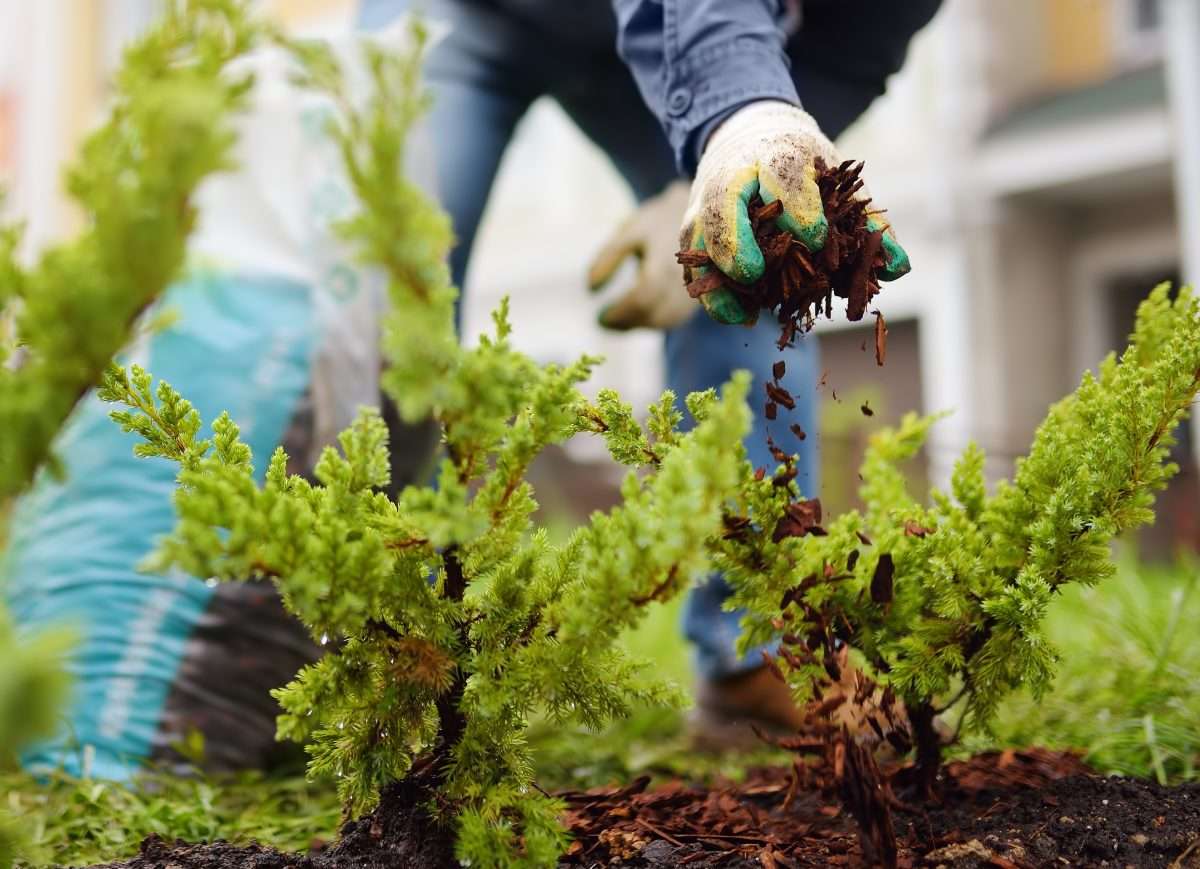
Once your yard clean-up is finished, your garden beds are bare and open, ready for winter. The leaves are gone, the weeds are cleared, and the soil is exposed again. This is exactly when your yard needs protection the most. In Vancouver, prolonged rain can compact soil, wash away nutrients, and leave your plants struggling by early spring.
Mulching solves these problems by creating a protective layer that keeps your soil healthy and stable through the wet season. If you only tackle one more garden task before winter, make it mulching.
How to Figure Out How Much Mulch You Need and When to Apply It
Most homeowners underestimate how much mulch a garden bed actually needs. A depth of 2 to 3 inches is ideal. Anything thinner will break down too quickly to be effective. As a general guideline, one cubic yard of mulch covers about 100 square feet at that depth. A quick measurement of your garden beds will give you a clear estimate.
The best time to mulch is right after your yard clean-up. Your garden beds are already cleared and level, and there is no debris trapped underneath. Waiting until the heavy rain arrives makes the work harder, and mulching too early can trap moisture against your plants. Late fall, after the last round of leaf drop, is usually the perfect window for most Vancouver yards.
The Best Types of Mulch for Vancouver Gardens and How to Use Them Effectively
The climate on the West Coast means your mulch needs to handle long stretches of moisture while still helping your soil drain and breathe. These three options perform well in most Vancouver residential gardens:
Bark Mulch (cedar, fir, or hemlock)
Holds colour, breaks down slowly, improves soil structure, and drains well during heavy rain. Ideal for homeowners who want a neat, low-maintenance look that lasts.
Leaf Mulch
A sustainable choice, especially if you have trees on your property. It breaks down faster than bark mulch, but it feeds the soil as it decomposes. Great for garden beds that need organic matter.
Compost Mulch
Improves soil health quickly and is helpful for vegetable beds or plantings that need nutrient-rich soil. It will need topping up each year because it decomposes more rapidly.
Whatever material you choose, the application matters. Spread mulch evenly and avoid pressing it tightly against stems or trunks. Leaving a small gap improves airflow and helps prevent rot. A smooth, level surface also keeps the garden looking tidy through winter.
Why Pairing Yard Clean-Up and Mulching Saves Time
Yard clean-up removes everything that blocks water flow and exposes the soil surface. Mulching immediately afterward locks in those benefits. You get fewer weeds in spring, less erosion over winter, and healthier soil when the growing season starts again.
Pairing the two services also means you avoid doing the same work twice. Once Vancouver’s rain sets in, the soil becomes heavy and hard to work with, and applying mulch becomes more difficult. Getting it all done in one visit saves time and delivers better results.
If you want your garden beds to stay healthy and low-maintenance through the rainy season, mulching makes all the difference. Leaf the Dirty Work to us and request a mulching quote today.
Posted in:
Tags: